
By Jessica Redmond Kelly | Clinical Applications Specialist OxygenCare
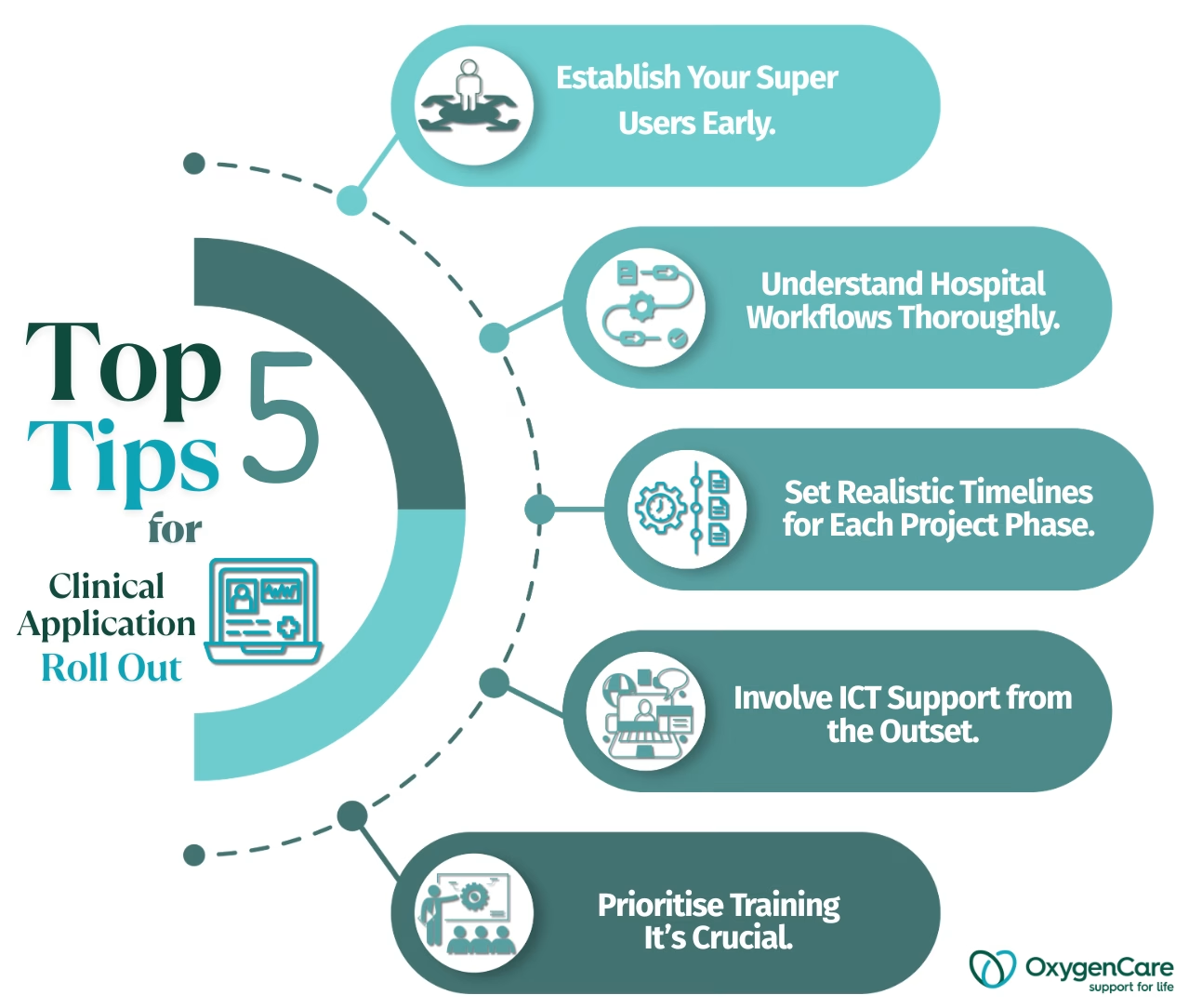
1. Establish Your Super Users Early:
Identify and engage your super users right from the beginning. These team members should be actively involved in the build and configuration process. They’ll become essential go-to contacts for frontline users when the system goes live.
2. Understand Hospital Workflows Thoroughly:
Take time to deeply understand current clinical workflows within the hospital. This ensures the system is designed to support actual clinical practices, not disrupt them, leading to smoother adoption and better outcomes.
3. Set Realistic Timelines for Each Project Phase:
Use project management tools like Microsoft Project to map out and track each phase. Set achievable deadlines that allow time for thorough testing and validation. Don’t rush—proper testing is the most critical part of a successful rollout.
4. Involve ICT Support from the Outset:
Loop in your ICT department early. Their involvement is key for handling system issues, managing support tickets, and ensuring infrastructure readiness. A well-structured support process is essential during and after go-live.
5. Prioritise Training – It’s Crucial:
Don’t underestimate the importance of a well-structured training programme. Every user must be confident in using the new system for the rollout to be successful. Training should be tailored, comprehensive, and accessible.

